- What you need for the workshop:
- • Clay
- • a Lamp and Timer
- • Pen and Paper
- • a List of ca. 40 words
- Instructions for the workshop:
- • Play in rounds, each round lasts about 1 minute
- • Take a hand full of clay
- • The first player picks the first word on the list, the following player the second word etc.
- • Write down the word on the paper and model it from the clay.
- • React to the existing clay shapes on the paper, you are free to modify existing shapes
- • Explain your creation to your fellow players
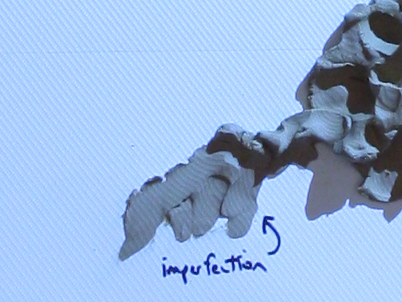
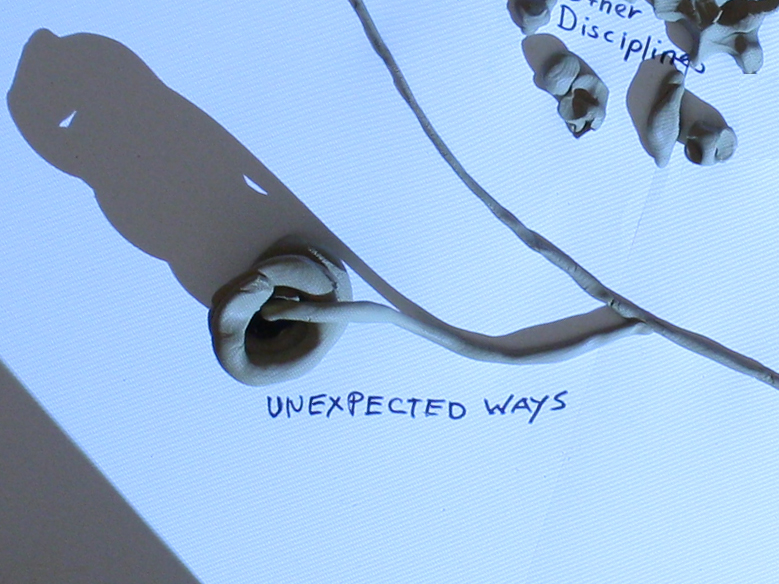
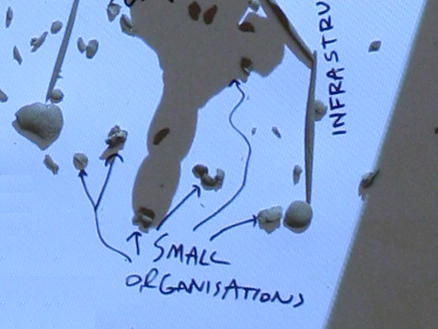
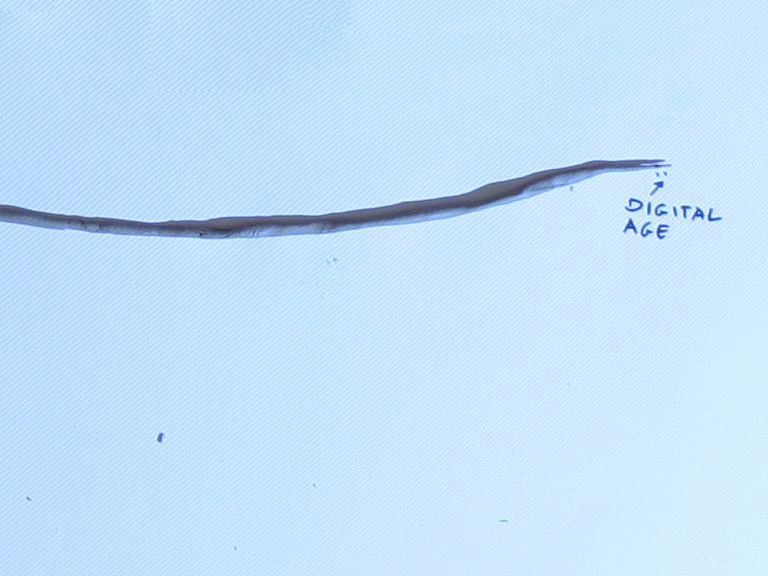
Clay Analytics is a workshop format that tries to approach the vocabulary that is touched upon in discourses around participation in art and design in a tangible way. The workshop was designed by Luna Maurer of Moniker in dialogue with the book Participation is Risky by Liesbeth Huybrechts (Social Spaces). It uses clay and light play to make hands-on representations and even stories around words such as participation, user and maker, hybridity, autonomy, authorship, community and so on. Via making (claying), the workshops initiate conversations and idea generation around participation.
List of words taken out of the book ‘Participation is Risky’, by Liesbeth Huybrechts
Imperfection
Collage-making
User and Maker
Potential Participants
Discussion
The Uncertain Space
Releasing Autonomy or Authorship
Risk
People and Objects
Things
Complexity
Professional and Lay
Dynamics
Ongoing Negotiations
Moderated
Exchange
Generativity
Hybridity
Uncertain differences
Digital age
Other Disciplines
Online Communities
Use Time
New Media Tools
Unexpected Ways
Initial Intentions
Comfort Zone
Backgrounds
In-between Qualities
Neighbourhood
Skills and Knowledge
Balance
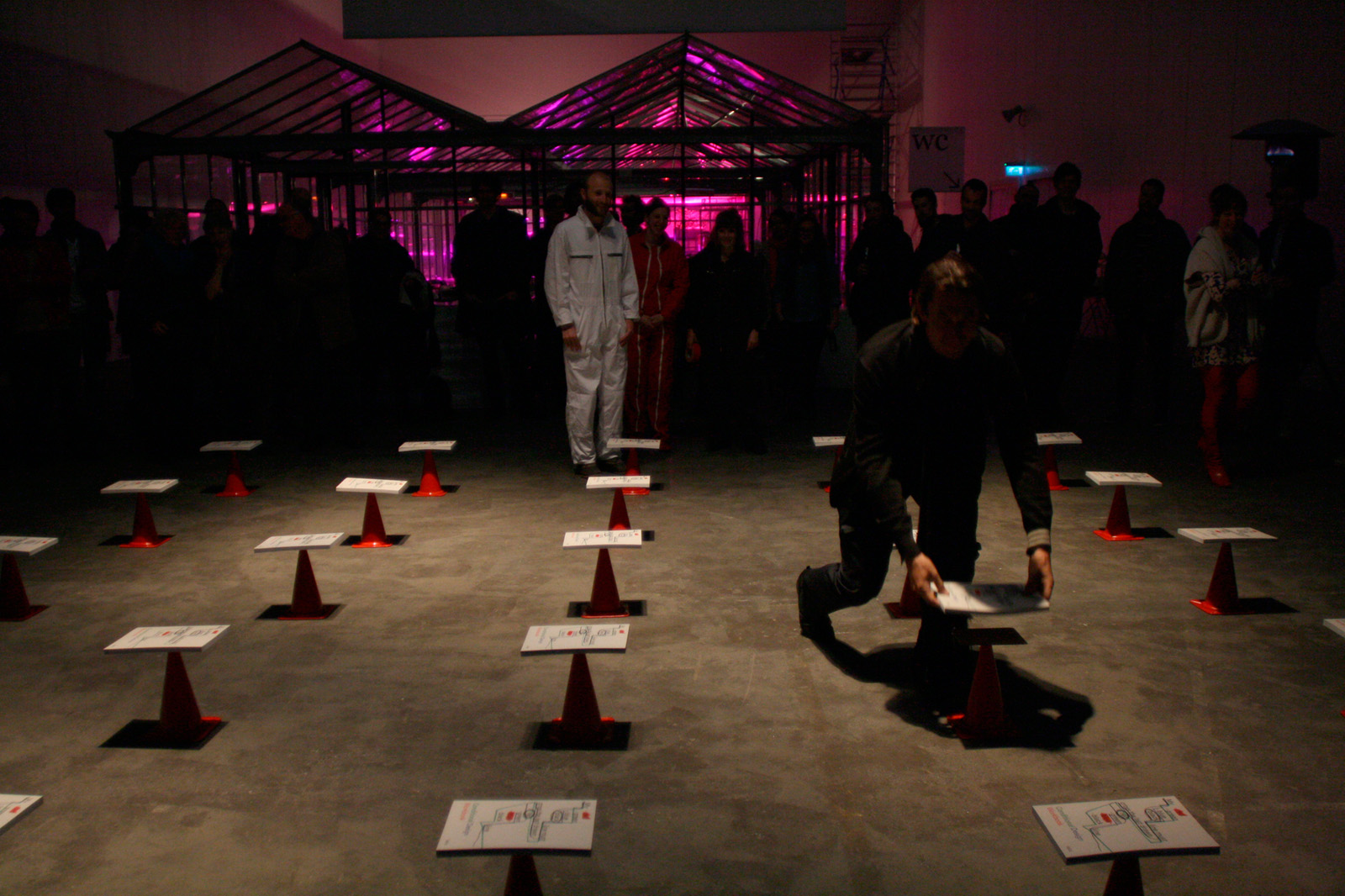
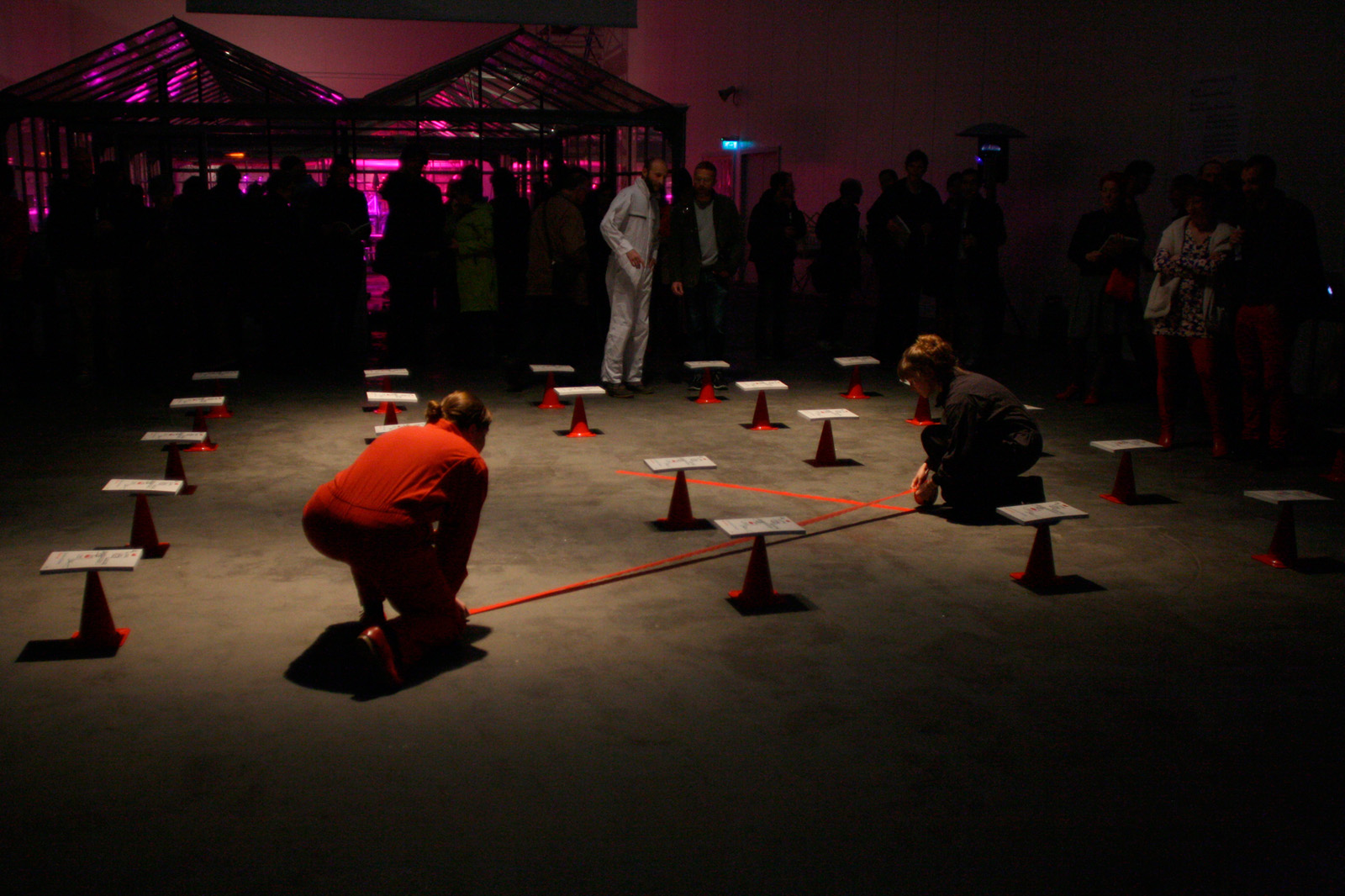
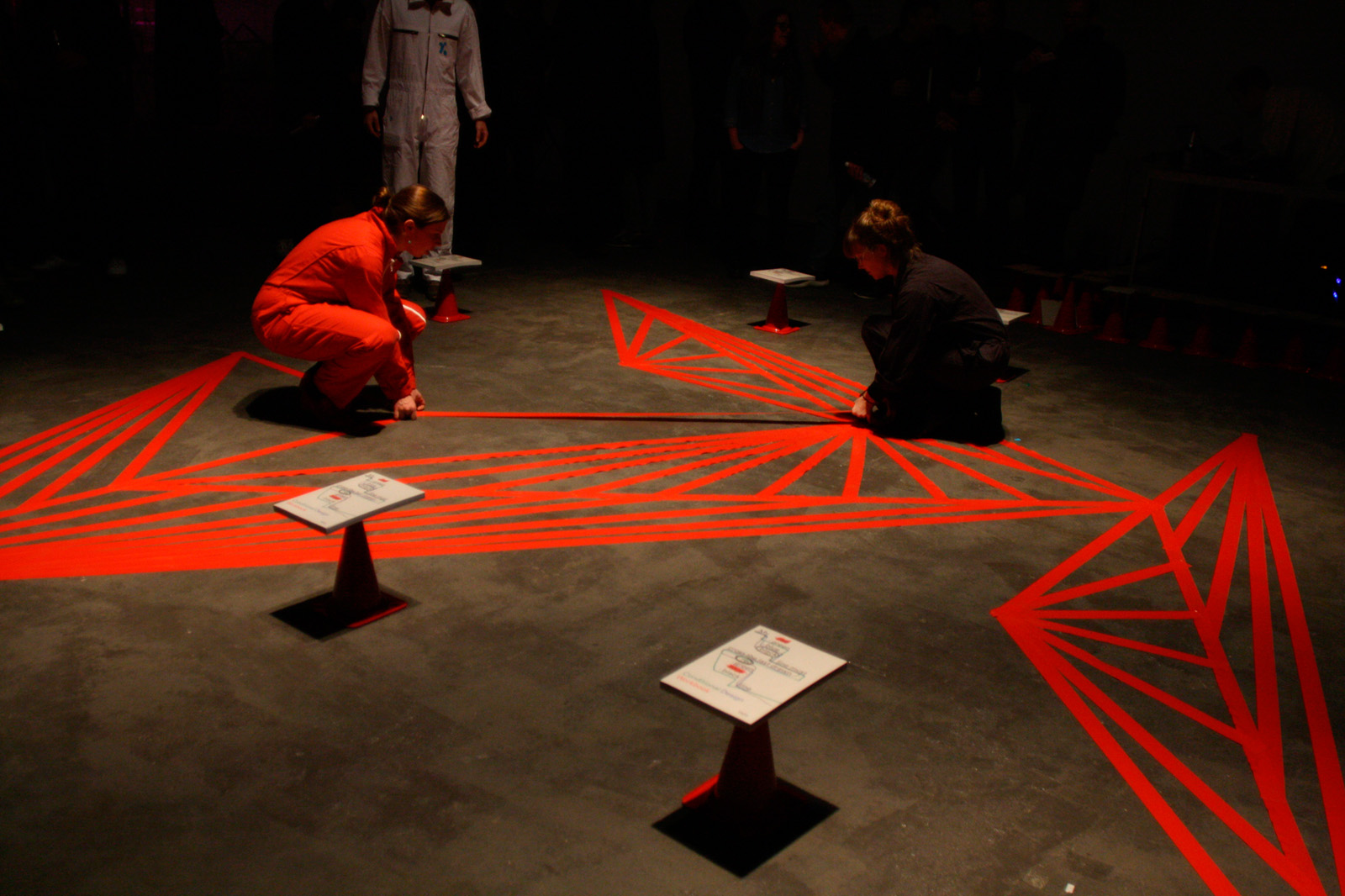
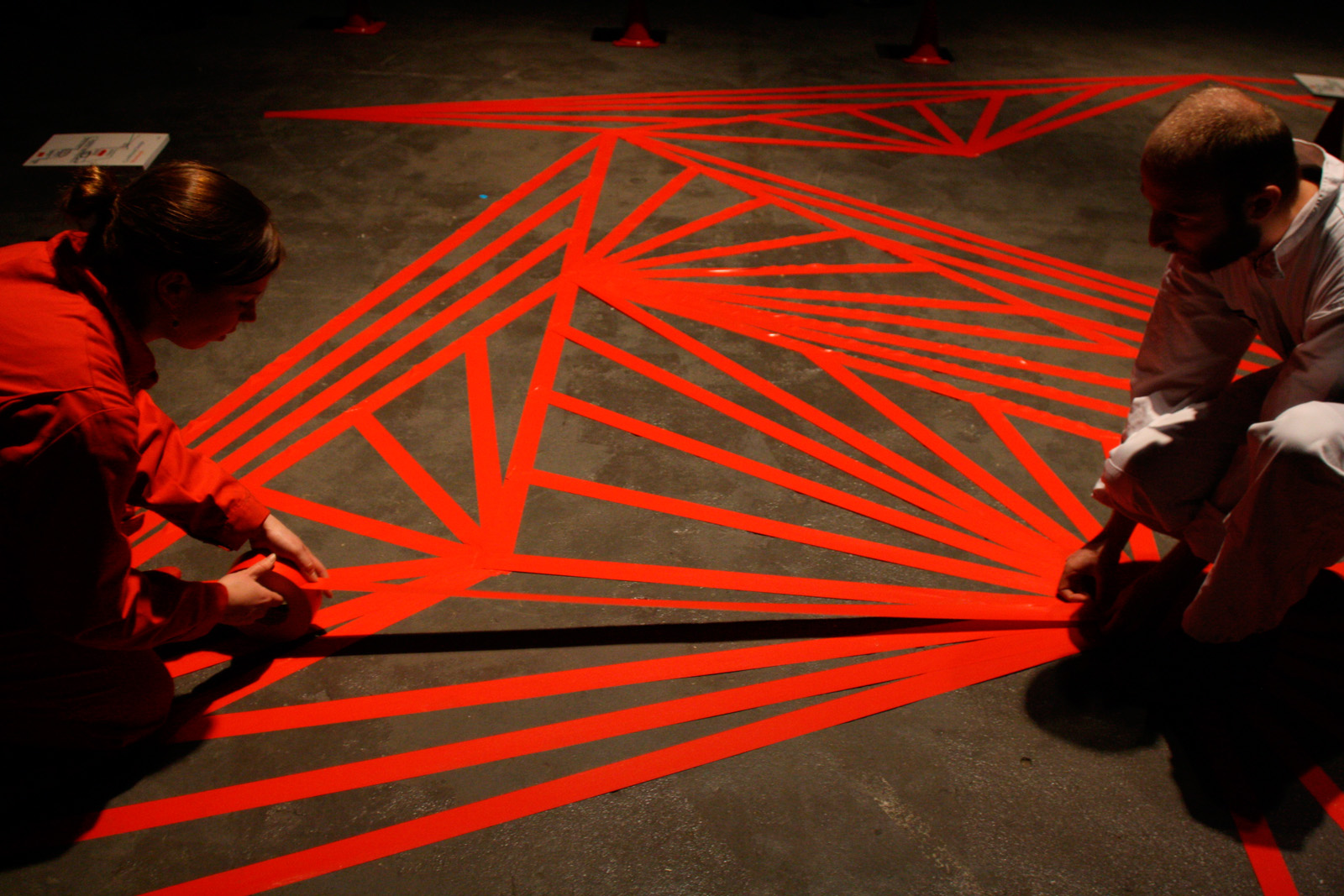
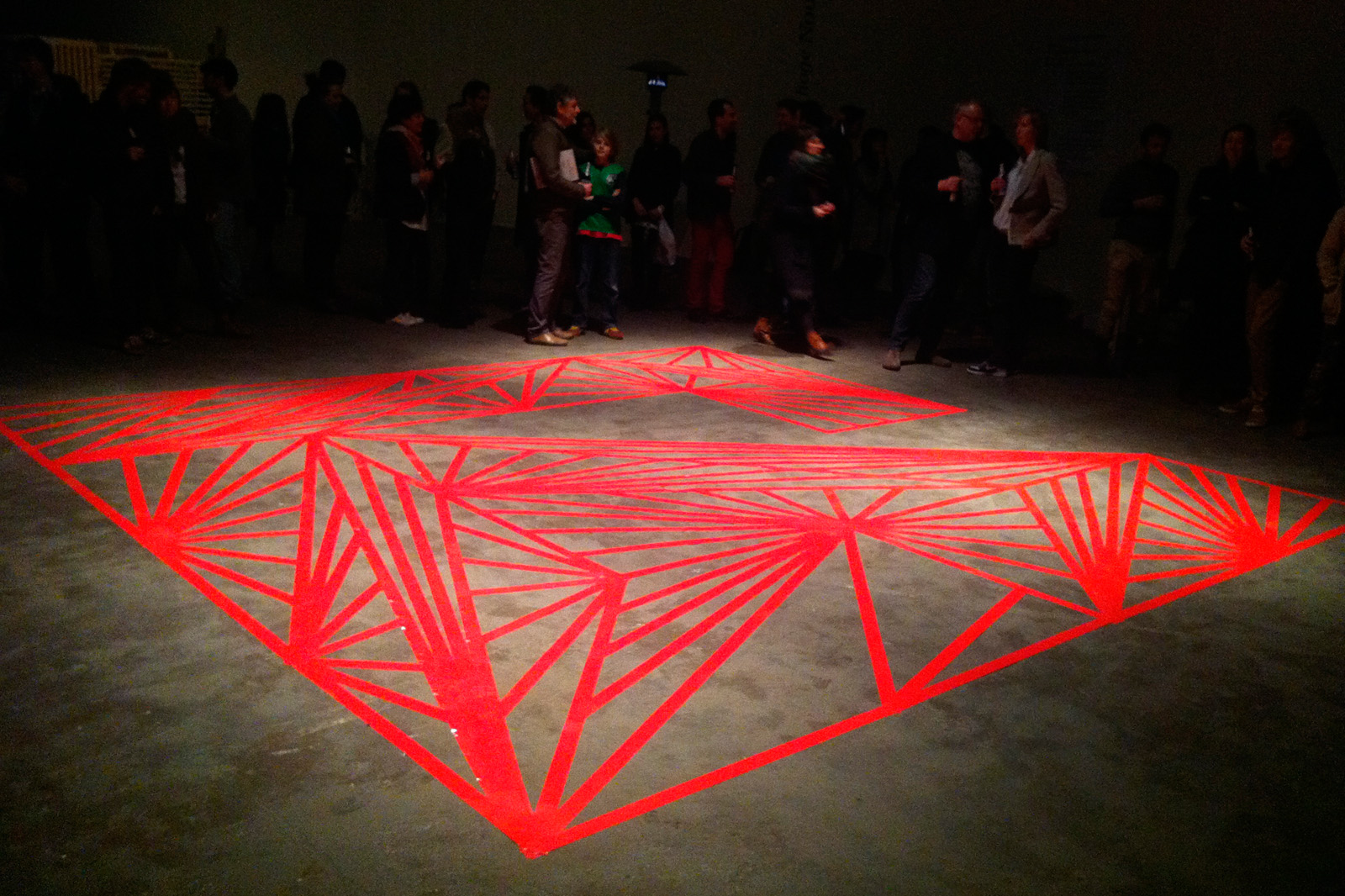
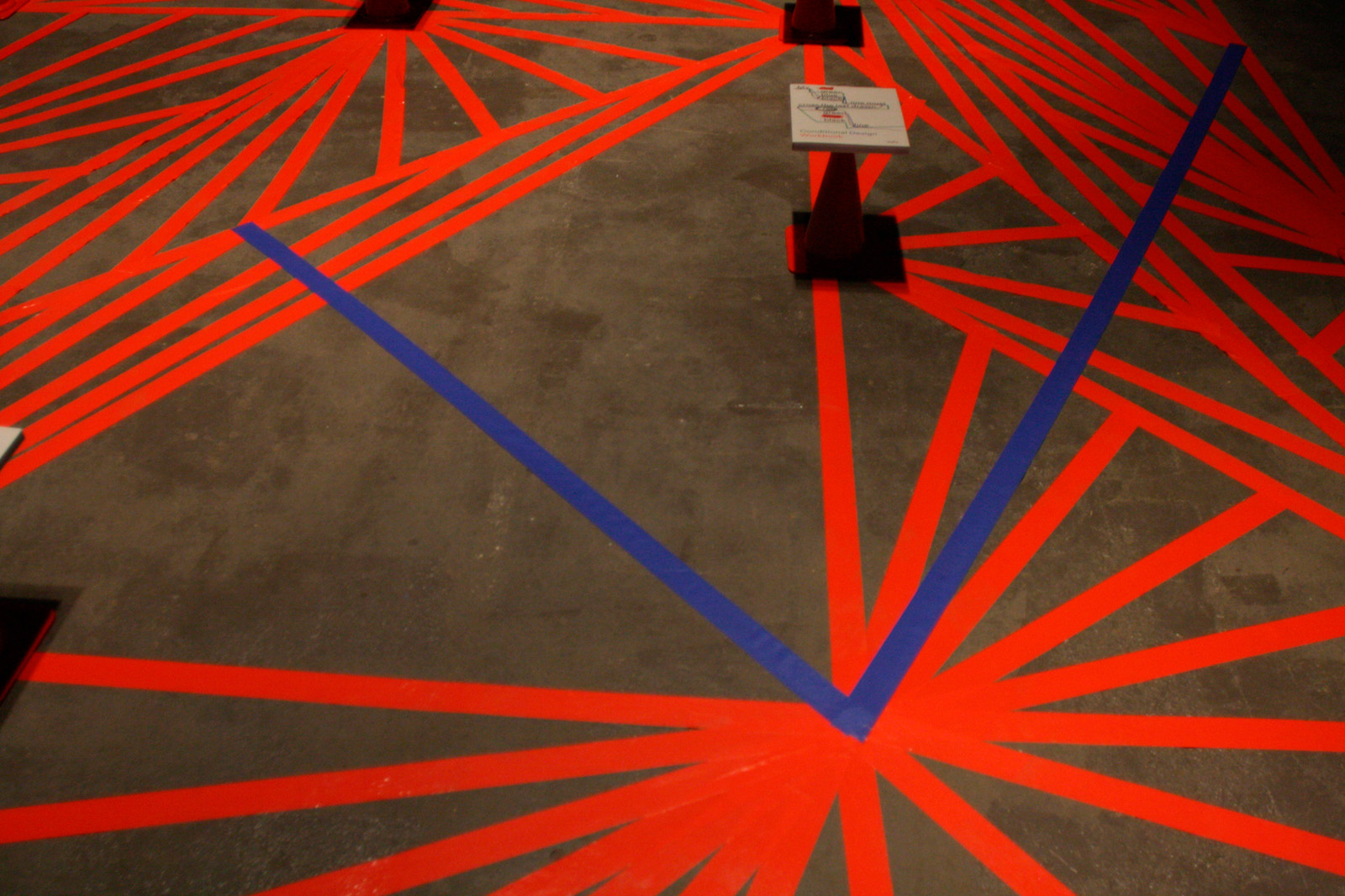
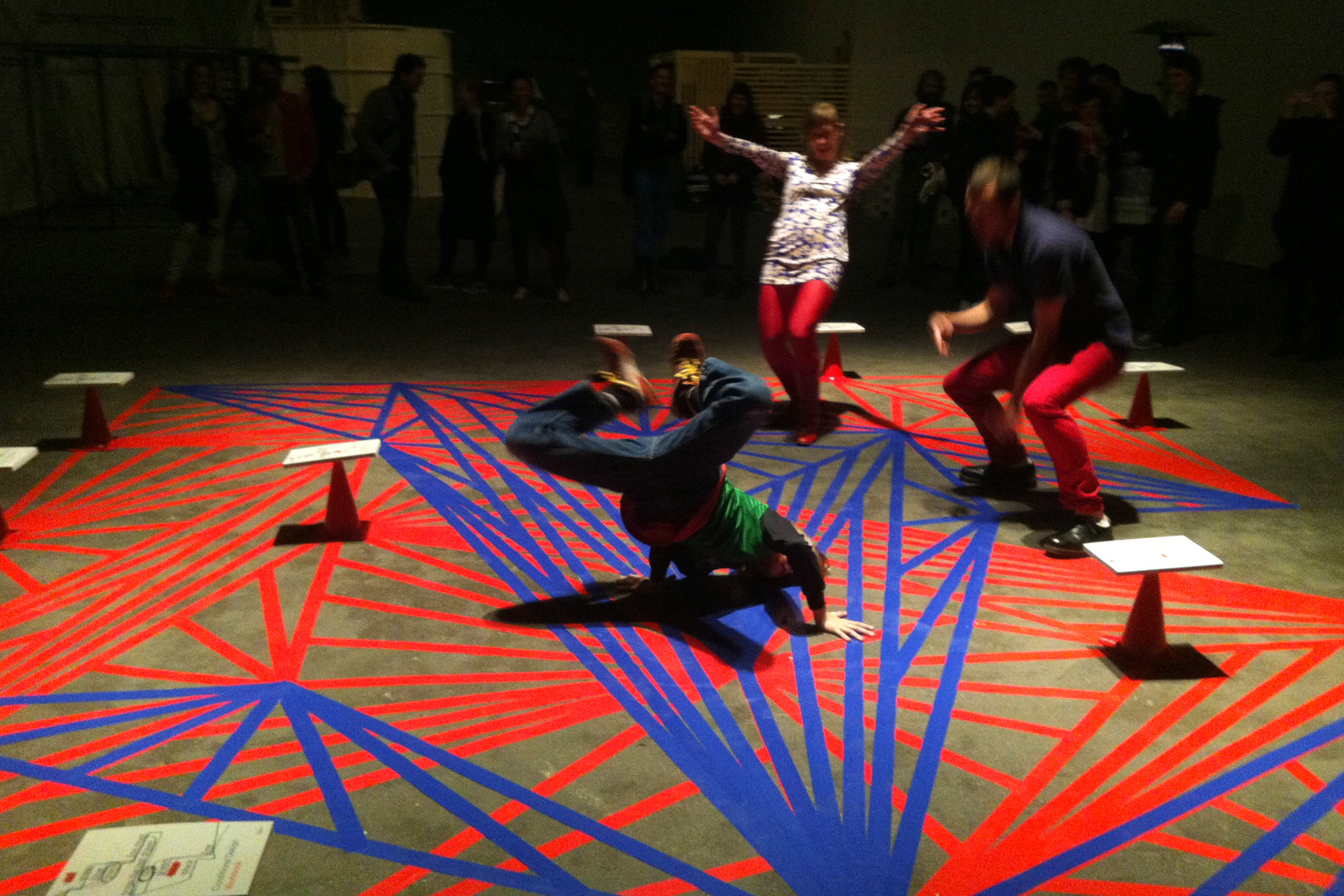
We developed the performance Book Nodes & Edges for the launch of our new Conditional Design Book.
By buying a book you could influence the drawing that was slowly emerging on the floor.
- BUYER
- Choose a book from the grid.
- ASSISTANT
- Remove the cone.
- Make triangles.
- Draw a line to connect this node to the nearest empty node in the grid.
- Connect the node of the just purchased book to as many other nodes as possible, if this will close a triangle.
- The triangle must not include books.
- Fill the triangle with lines pointing towards the just purchased book.
- Never cross a line or a point.
Performers: Nick Meehan, Adina Renner, Fabienne Wyss
Camera: Sal Kroonenberg
Editing: Nick Meehan
Location: Mediamatic Fabriek, Amsterdam
A Moniker production
Thanks to all the buyers that were part of the performance.
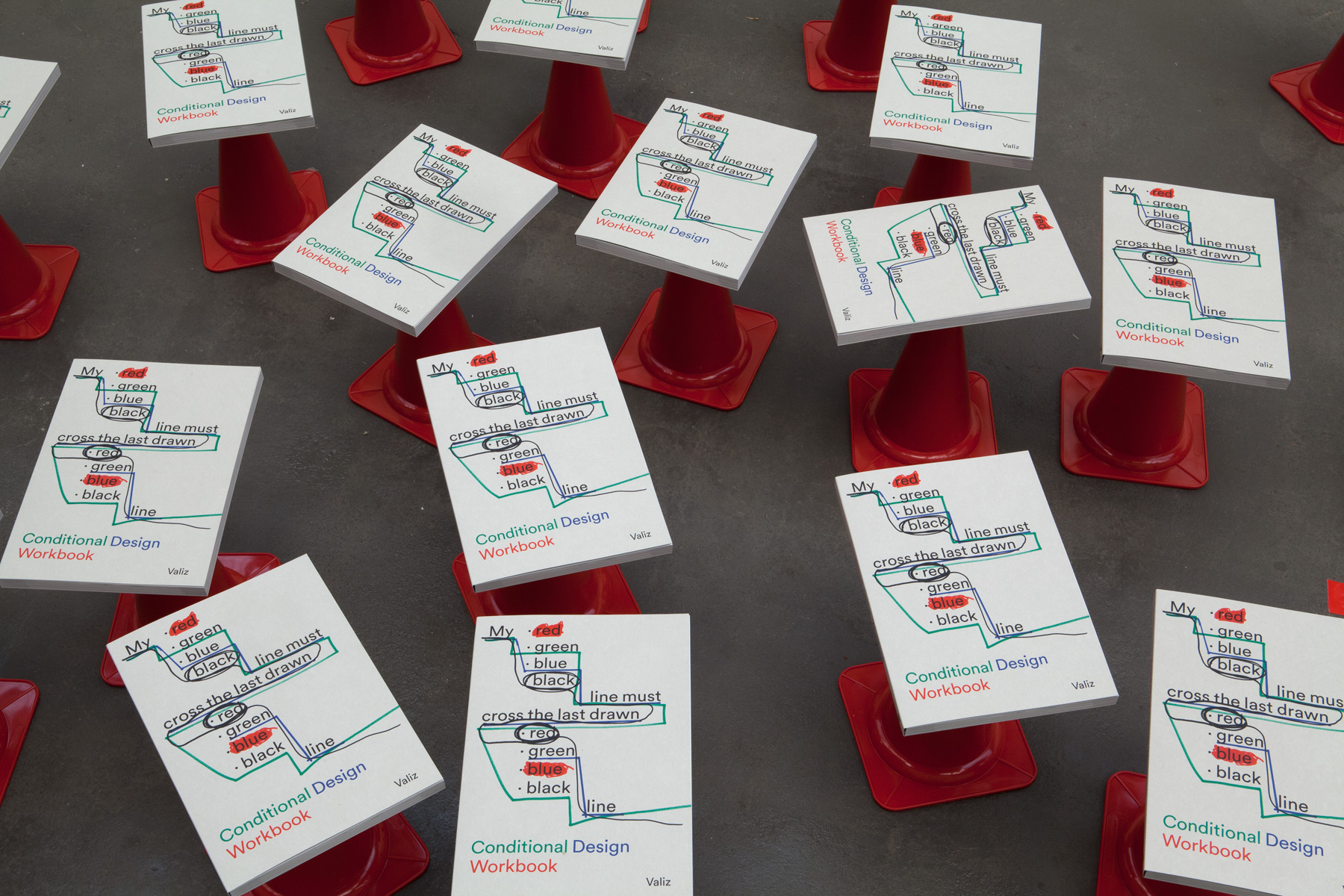
Fresh from the press!
Designed by Julia Born.
Printed in glorious red, green, blue and black.
Featuring Laurenz Brunner's new typeface Circular.
Published by Valiz.
You can order the book here
PRESS RELEASE
Conditional Design Workbook
Conditional Design team; essays by Andrew Blauvelt and Koert van Mensvoort
Design: Julia Born
• Infectious do-book for designers, children, groups, artists...
• Describes a method to Do-It-Yourself
A Birthday Poster shows the dates of all birthdays of a person, from birth up till now. Drawn in graphically ordered Roman numerals.
We make Birthday Posters for €300 for your friend's birthday.Contact us if you want one.
Or... you can also make it yourself.